
What is Homeopathy?
Homeopathy is a system of natural medicine that has been practised for more than two centuries. Rather than targeting a specific set of symptoms in isolation, a homeopathic approach looks at the whole person- your physical complaints, your emotional state, your medical history, and how they all connect. The goal is not simply to mask what you are feeling- it is to cure the root cause and restore the body's homeostasis. At P&L Homeopathic Clinic in Singapore, we have been doing exactly this since 1994.
Under the guidance of Dr Ruth Ho, our practice specialises in classical homeopathy, a method of prescribing that follows the principles established by Dr Samuel Hahnemann in the late 18th century. Over three decades, we have worked with patients managing everything from autoimmune conditions and neurological disorders to dermatological problems and musculoskeletal disorders. If you are new to homeopathy, this page is a good place to start.
The Principles Behind Homeopathy
Homeopathy is built on a principle that may sound counterintuitive at first: that a substance which causes symptoms in a healthy person can, in very small amounts, help a person whose body is already producing similar symptoms. Dr Samuel Hahnemann called this 'similia similibus curentur', like cures like.
The second core principle is the minimum dose. Homeopathic medicines are prepared through a process of serial dilution and succussion, to potentize the therapeutic properties of the original substance while removing detectable traces of the original ingredient and thus reducing the likelihood of side effects. This is why a homeopathic remedy with a higher potency number has been diluted more times, not less and why patients sometimes describe the effect as gentle yet deep-acting. These principles have guided homeopathic practice for over 200 years, and they underpin every prescription Dr Ruth Ho makes at P&L Clinic.
The History of Homeopathy
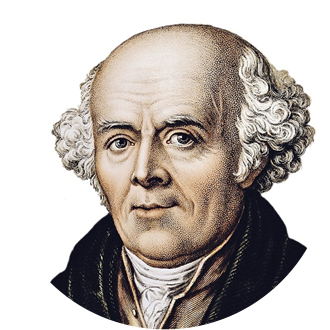
Homeopathy was developed in the late 18th century by Dr Samuel Hahnemann, a German physician who grew increasingly troubled by the harsh and often harmful side effects of the medical practices of his era. Hahnemann believed that medicine should first do no harm, and that the body, given the right stimulus, had a remarkable capacity to heal itself.
He spent decades experimenting with diluted substances on himself and his colleagues, carefully documenting which symptoms each substance produced in a healthy person and, by extension, which symptoms it might address in a patient. He published his findings in the Organon of Medicine, first in 1810, a text that still guides classical homeopathic practice today.
From Germany, homeopathy spread across Europe and then globally throughout the 19th century. It reached Asia through British colonial medicine routes and has since established a presence in Singapore, India, the United Kingdom, across South America and Europe.
Today, homeopathy is one of the most widely used systems of complementary medicine in the world, with millions of patients across different healthcare contexts choosing it alongside or in place of conventional treatments. At P&L Clinic, all medicines used in consultations are sourced from reputable manufacturers and are appropriate for use across age groups including children and the elderly as well as during pregnancy (where appropriate, and always under clinical guidance).
Homeopathy as Holistic Healing
One of the most common reasons people come to P&L Clinic is that they are looking for something different. Not necessarily instead of conventional medicine, many of our patients continue to see their GP or specialist but alongside it, or for conditions where they have not found the relief they were hoping for.
What makes homeopathy a form of holistic healing is its premise: that physical symptoms do not exist in isolation from the rest of a person. A homeopathic consultation at P&L takes time, typically 45 minutes to an hour for a first appointment, because Dr Ruth Ho is building a complete picture of you, not just your presenting symptoms. She will ask about your sleep, your stress, your diet, your emotional patterns, your medical history, your family medical history and the way your symptoms behave at different times of day or in different environments.